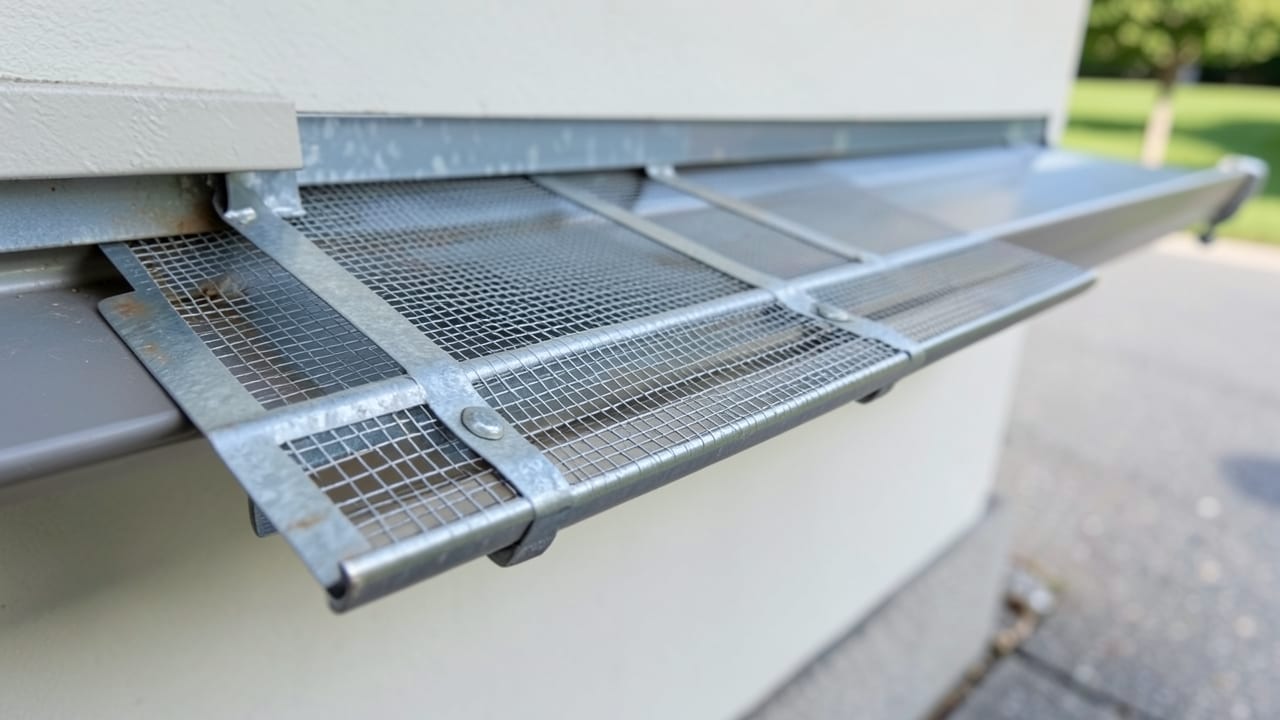
Gutter Screen Installation
Installation of gutter screens to prevent debris buildup and improve water flow.
Gutter screen installation in Asheville, NC, helps homeowners reduce the frequency of gutter cleaning by blocking leaves, pine needles, and debris while allowing water to flow freely. Ideal for properties surrounded by trees or those experiencing frequent clogs, screens are custom-fitted to existing gutters and tested to ensure proper drainage, preventing water damage and extending gutter lifespan. This service covers Asheville and surrounding areas like Black Mountain, Weaverville, and Hendersonville, where heavy foliage and seasonal storms increase clog risks.
When gutter screens make sense
Gutter screens are most beneficial for homes in Asheville’s tree-rich neighborhoods, where leaves, pine needles, and acorns create persistent clogs. If your gutters require cleaning multiple times a year—especially under overhanging trees—or if you notice water overflowing during heavy rain, screens can significantly cut maintenance. They’re also ideal for gutters already prone to fine debris buildup, like asphalt granules or sand, which pack down and restrict flow.
We also handle Gutter Replacement and Seamless Gutter Installation for Asheville properties.
However, screens aren’t a universal fix. Gutters with poor pitch (slope) or structural damage—like sagging or rust-through—won’t drain properly even with a screen installed. A pre-installation assessment checks for these issues to ensure screens won’t trap standing water or worsen drainage problems. For homes with steep roofs or multiple stories, screens may require additional sealing or specialized designs to prevent gaps at corners or downspouts.
Signs You Need Gutter Screens
- Gutters clog 2+ times a year, especially under trees dropping leaves, pine needles, or seed pods.
- Water overflows during heavy rain despite light debris buildup, indicating restricted flow.
- Fine debris (asphalt granules, sand, or dust) accumulates faster than leaves, packing down over time.
- Existing gutters are structurally sound (no sagging, rust-through, or improper pitch).
- You’re willing to commit to periodic rinsing of the screen surface to maintain water flow.
What affects installation cost and timing
The cost of gutter screen installation in Asheville varies based on the type of screen, gutter condition, and home size. Basic plastic or foam screens are the most affordable, while premium micro-mesh or reverse-curve systems cost more due to their durability and finer filtration. Labor also factors in, especially for multi-story homes or roofs with intricate designs that require careful cutting and sealing around corners and downspouts.
Timing depends on debris clearance and gutter condition. If gutters are already clogged, a thorough cleaning is required before installation to prevent sealing in old debris. Seasonal factors, like dry spells or heavy leaf drop, can also influence scheduling—installing screens in late fall or early spring ensures they’re in place before peak debris seasons. Always confirm whether the quote includes downspout clearing, debris disposal, and a structural check of the gutters.
Common mistakes to avoid
Installing screens over gutters with existing debris is a common pitfall—trapped leaves or pine needles underneath will decompose and clog the system over time. Always clear gutters thoroughly before installation. Another mistake is choosing a screen type that doesn’t match the local debris. For example, wide-mesh screens may let pine needles through, while fine-mesh guards can clog quickly in areas with heavy pollen or dust.
Skipping a flow test after installation is another oversight. Water should sheet through the screen evenly during heavy rain; pooling or sheeting off the sides indicates improper fitting or an incompatible screen type. Finally, neglecting to inspect screens after storms can lead to shifted sections or gapped seams, which become new entry points for debris. A quick post-storm check ensures screens remain effective.
| Mistake | Why It Matters | How to Avoid |
|---|---|---|
| Installing over standing debris | Traps organic material underneath, leading to long-term clogs and odor. | Clear gutters completely before installation. |
| Using the wrong screen type for local debris | Wide-mesh lets pine needles through; fine-mesh clogs with dust or pollen. | Choose mesh size based on common debris (e.g., micro-mesh for pine needles, wider for leaves). |
| Skipping the flow test | Poor fitting or incompatible screens can cause water to pool or sheet off, defeating the purpose. | Run water across the screen post-installation to confirm proper drainage. |
| Ignoring post-storm inspections | Gaps or shifts after heavy wind/rain create new entry points for debris. | Check screens annually or after major storms for damage or debris buildup. |
How gutter screen installation works
A professional installation ensures screens are custom-fitted, properly sealed, and tested for drainage.
- 1Gutter Inspection and Measurement
The existing gutter system is inspected for sagging, rust, or improper pitch. Measurements are taken to determine the exact length of screen material needed, including mitered cuts for corners and downspout outlets.
- 2Debris Removal
All existing debris is cleared from the gutters to prevent sealing in leaves or pine needles underneath the new screens. This step is critical to avoid future clogs caused by trapped organic material.
- 3Screen Cutting and Fitting
Screen sections are cut to the precise length of each gutter run and mitered at angles to create a seamless fit. This minimizes gaps where wind-blown debris could enter, especially around corners and downspout connections.
- 4Secure Fastening
Screens are attached to the front lip and back edge of the gutter using screws or clips, avoiding roof or fascia penetration. This method prevents water from seeping behind the screen and ensures easy access for future maintenance.
- 5Flow Test
Water is simulated across the screen surface to verify proper drainage. Any pooling or sheeting off indicates improper fitting or an incompatible screen type, which is adjusted before completion.
Frequently asked questions
Will gutter screens eliminate the need for cleaning entirely?
No, screens reduce the frequency of cleaning by blocking large debris, but they don’t eliminate maintenance. Fine dust, pollen, or small particles can still accumulate on the screen surface and require periodic rinsing. Heavy debris loads (like after a storm) may also necessitate occasional clearing of the screen itself.
Can screens be installed on gutters with minor damage, like small holes or rust spots?
Screens can cover minor damage, but larger issues—like sagging, rust-through, or improper pitch—should be repaired first. Installing screens over damaged gutters won’t fix drainage problems and may trap water underneath, leading to further damage. Always address structural issues before or during screen installation.
How long do gutter screens typically last before needing replacement?
The lifespan of gutter screens depends on material quality and local debris. Basic plastic or foam screens may last 3–5 years, while premium aluminum or micro-mesh screens can last 10+ years. Heavy debris loads, such as pine needles or seed pods, may shorten this timeline, so periodic inspections are recommended.
Do I need to trim trees or bushes before getting gutter screens installed?
While screens reduce debris entry, trimming overhanging branches minimizes the amount of material falling onto the roof and screens. This lowers maintenance needs and extends the life of both the gutters and screens. Aim to keep branches at least 3–4 feet away from the roof’s edge.
Where Asheville sits, and what the Census lists nearby
Asheville sits in North Carolina, and the closest places listed in the U.S. Census Gazetteer are Biltmore Forest (2.6 miles south), Emma (3.2 miles northwest), Bent Creek (5.5 miles southwest), Woodfin (5.7 miles northwest). Within 25 miles of Asheville the same source lists 39 distinct incorporated places and census-designated places. Those figures matter for gutter screen installation because they are straight-line distances between Census coordinate points: road mileage between Asheville and Biltmore Forest runs longer than the 2.6 miles shown, which is why quotes for the same job differ between towns that look close together on a map. Source: U.S. Census Bureau Gazetteer.
See Marshall, NC for more, or see the gutter cleaning work we do around Asheville by category for our complete lineup.
Ready to get started?
Talk to a local gutter cleaning pro in Asheville — get a written quote.
Other Gutter Cleaning Services in Asheville
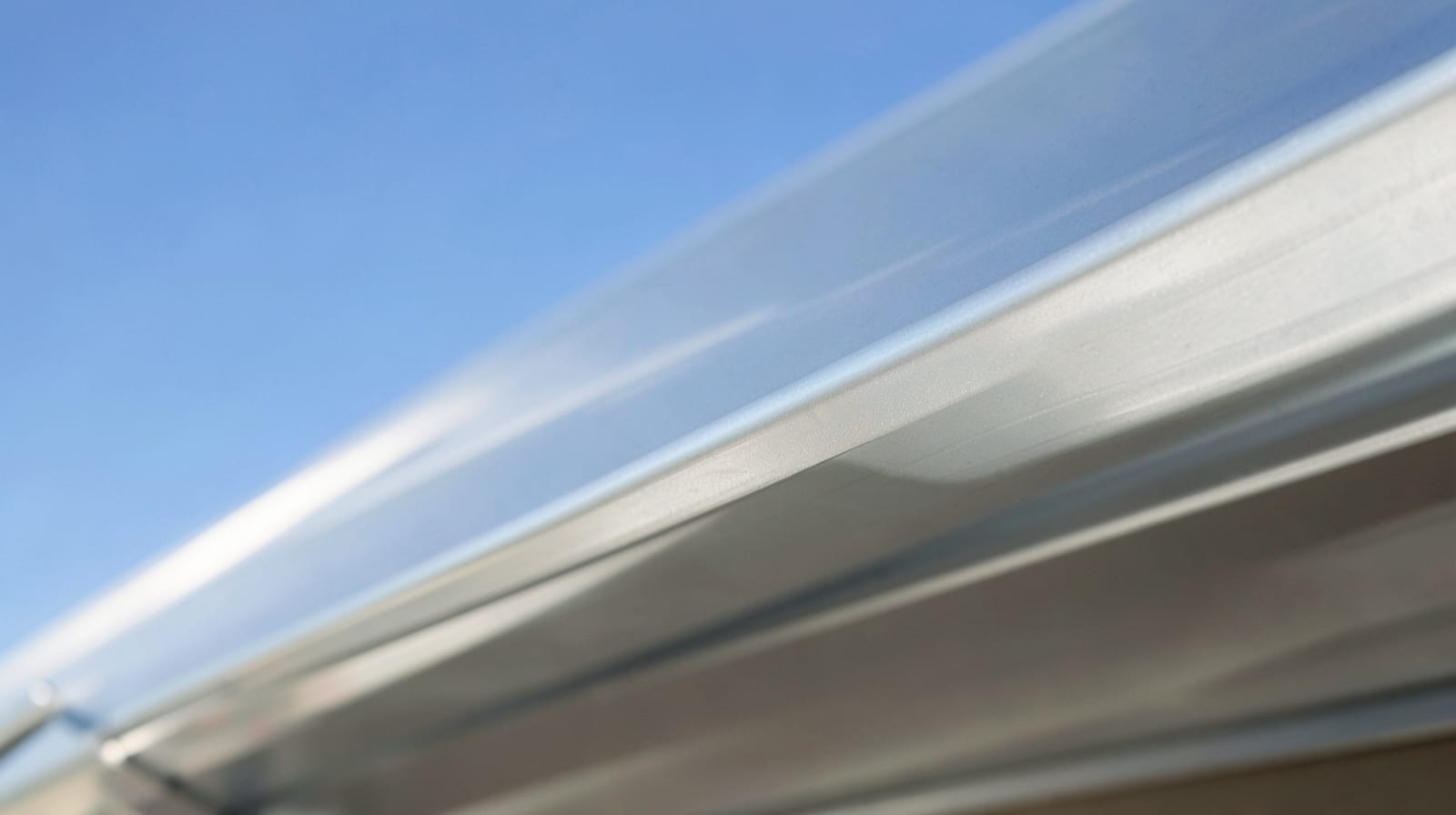
Gutter Replacement in Asheville, NC
Full gutter replacement in Asheville, NC — new seamless aluminum gutters and downspouts when repair is no longer cost-effective.
Learn More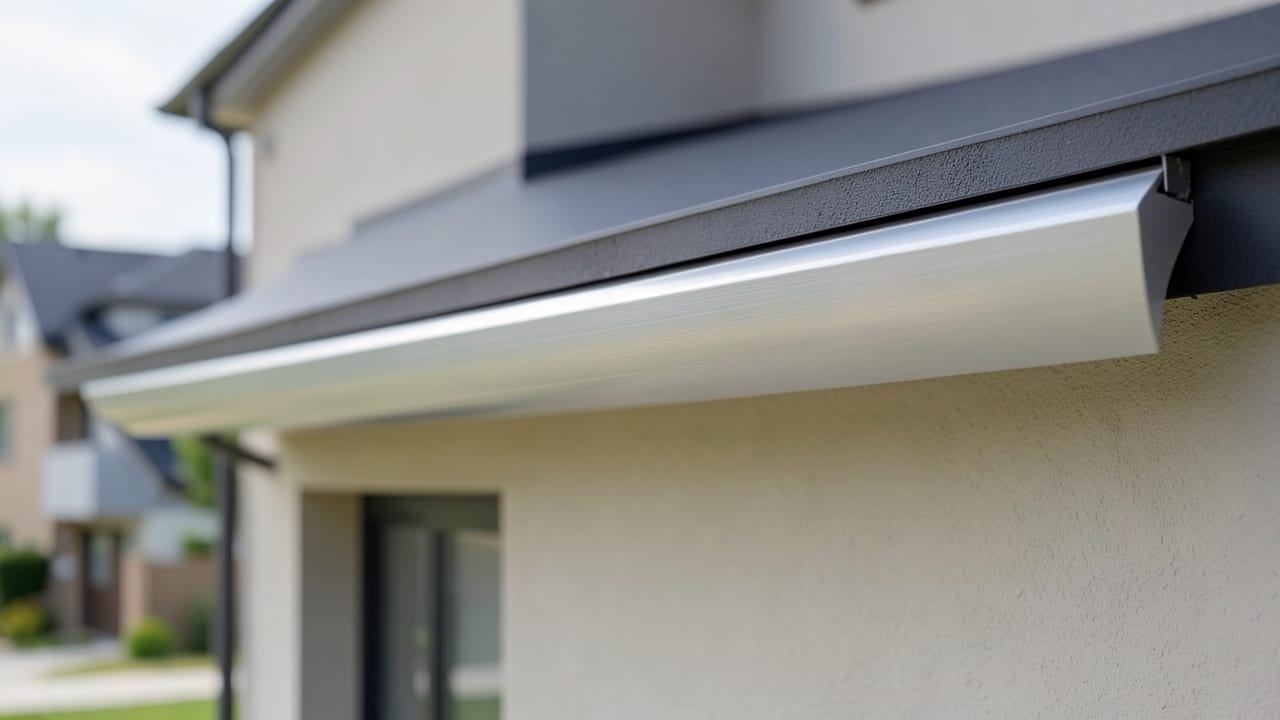
Seamless Gutter Installation in Asheville, NC
Seamless gutter installation in Asheville, NC — aluminum gutters formed on-site to the exact run length, no sectional seams to leak.
Learn More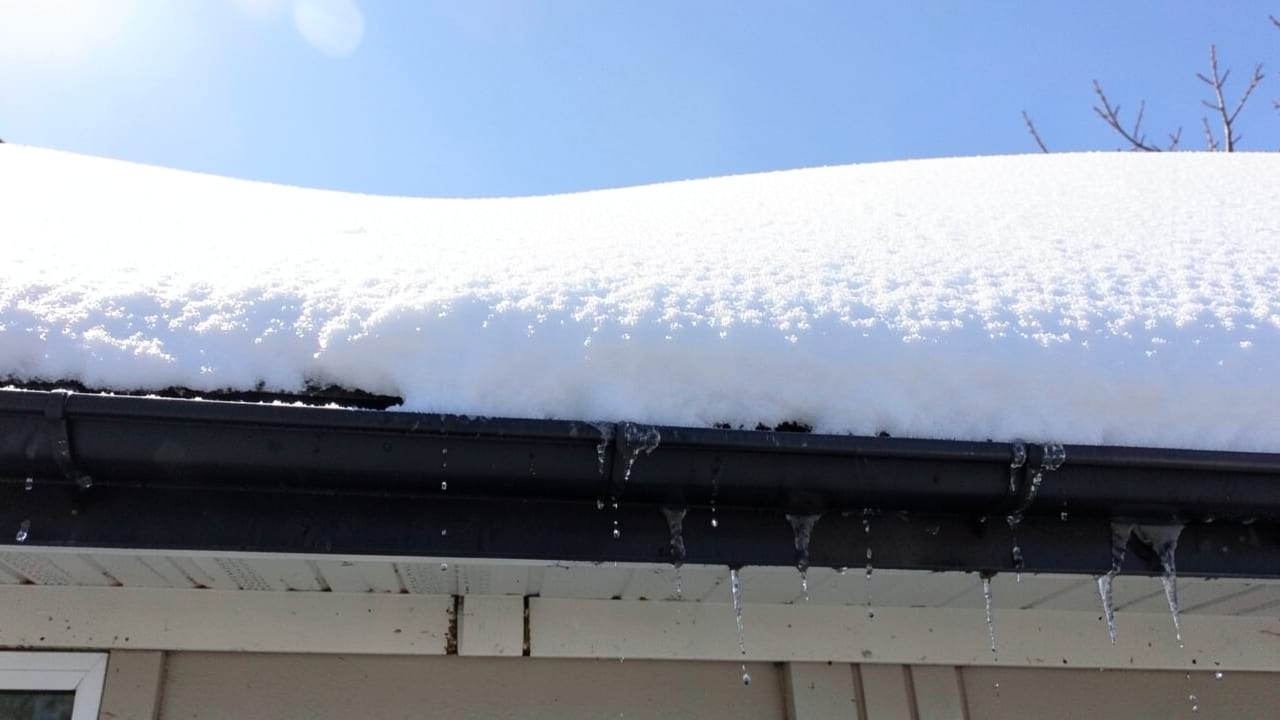
Ice Dam Removal in Asheville, NC
Ice dam removal in Asheville, NC clears ice buildup at the roof edge before it backs water up under shingles.
Learn More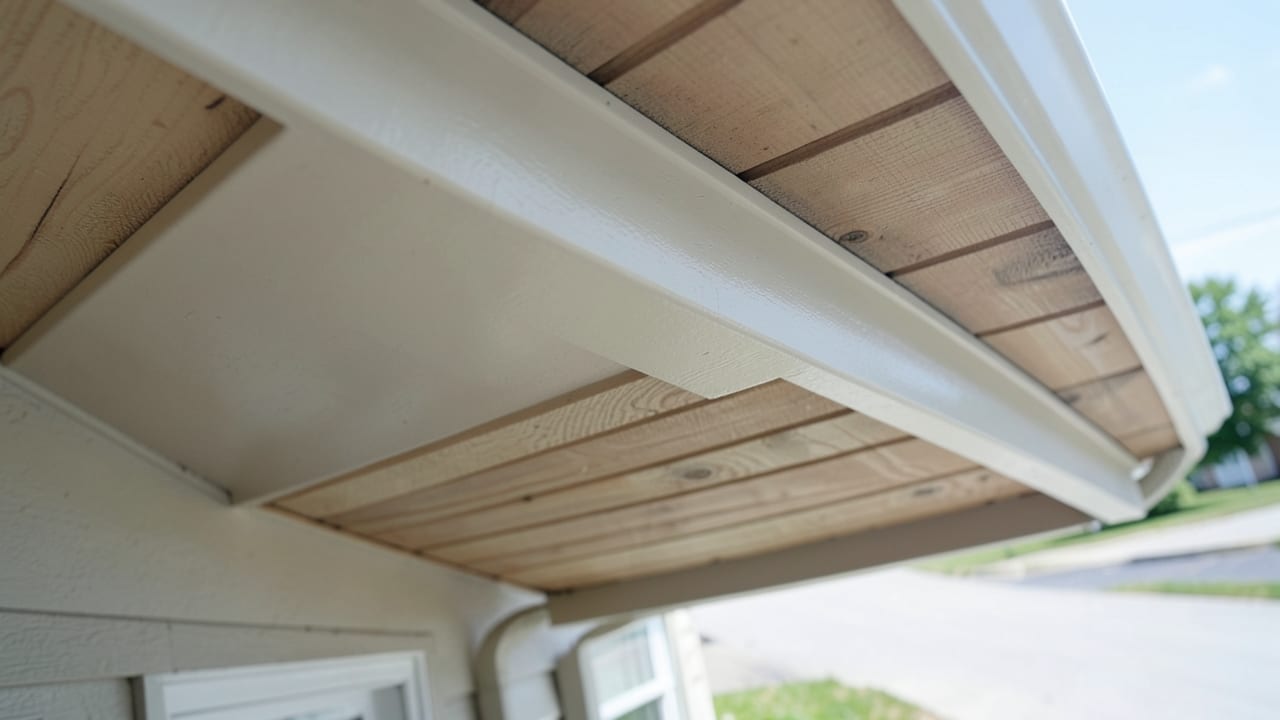
Fascia & Soffit Repair in Asheville, NC
Fascia and soffit repair in Asheville, NC fixes the trim boards gutters mount to, often damaged by long-term overflow or water intrusion.
Learn More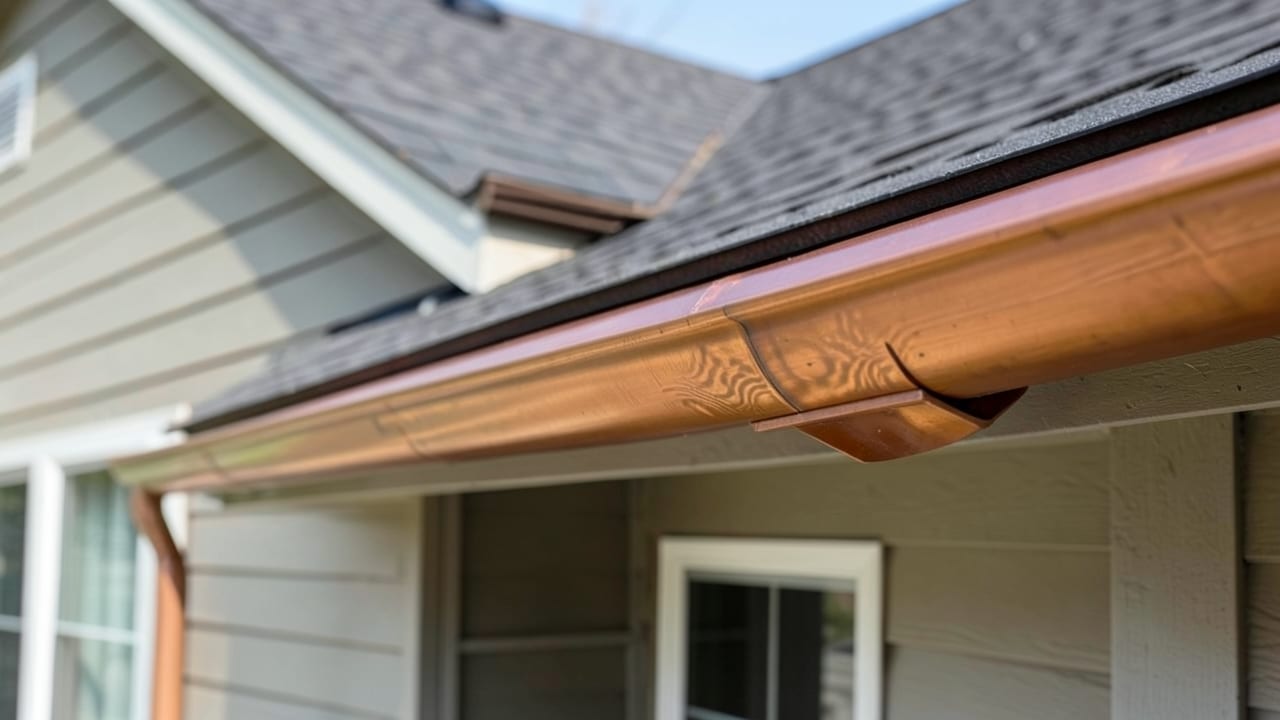
Copper Gutter Installation in Asheville, NC
Professional installation of copper gutters for durable, long-lasting drainage.
Learn More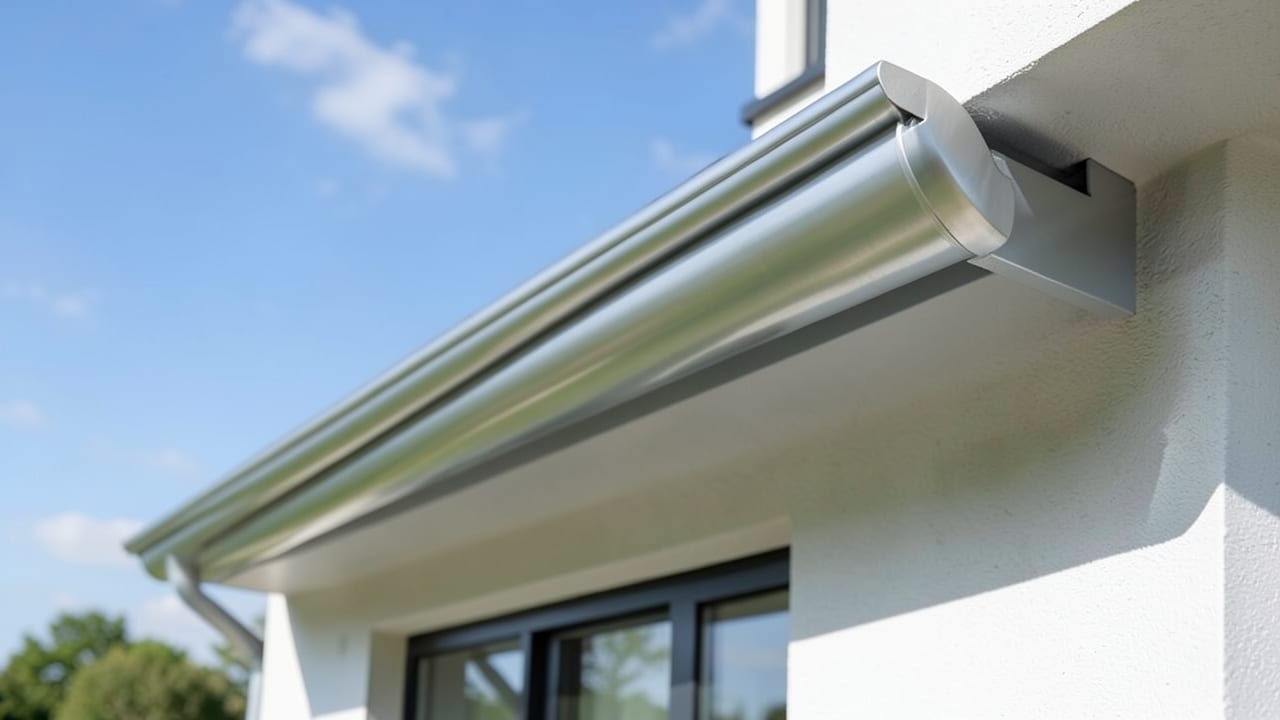
Aluminum Gutter Installation in Asheville, NC
Professional installation of aluminum gutters to manage rainwater runoff effectively.
Learn MoreCommon Questions About Gutter Cleaning in Asheville
Everything you need to know about gutter cleaning services in Asheville
How much does Gutter Screen Installation typically cost in Asheville, NC?
What local factors affect how often gutters need attention around Asheville, NC?
Can gutters be cleaned safely from the roof instead of a ladder?
Can standing water in clogged gutters attract pests?
How often do gutters actually need to be cleaned?
Do gutter guards eliminate the need for cleaning?
Need Gutter Cleaning in Asheville?
Get a written quote from our Asheville crew.
⏰ We answer your call • Serving all of Asheville and surrounding areas