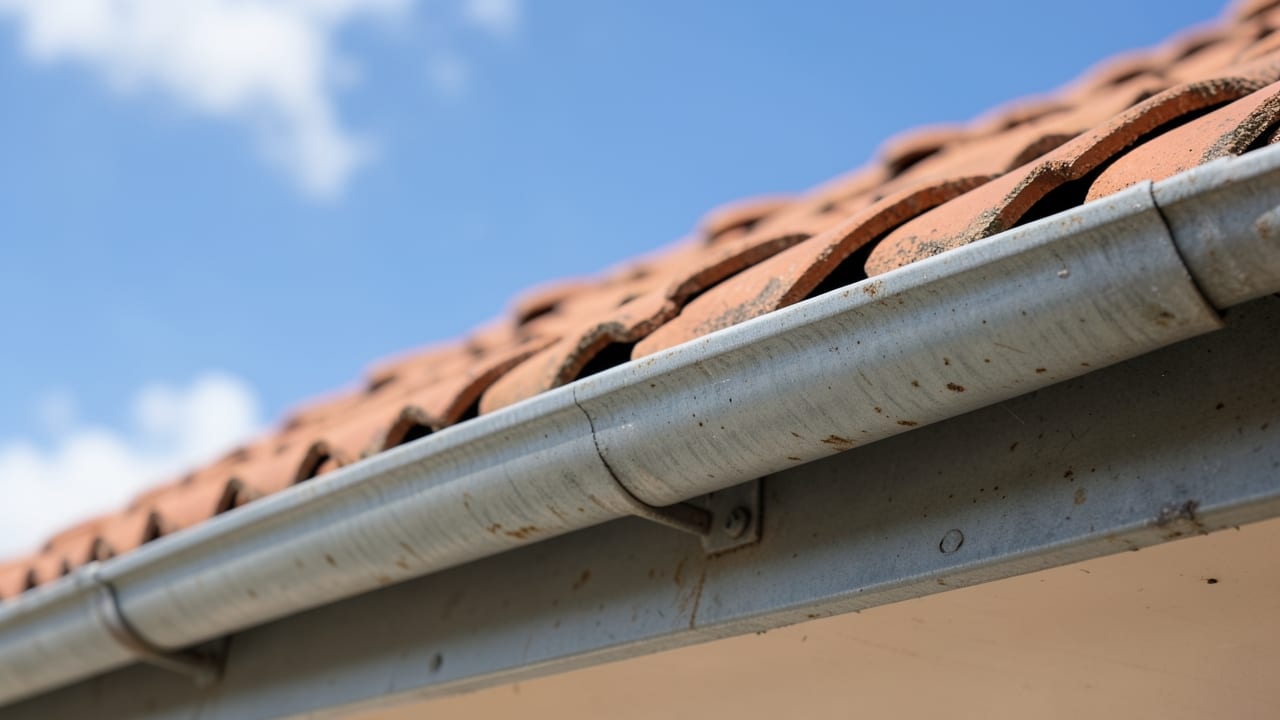
Tile Roof Gutter Debris Removal
Removal of leaves, twigs, and sediment from gutters on tile-roofed homes to restore proper drainage.
Tile roof gutter debris removal in Asheville, NC, targets the unique challenges of tile roofs—clearing leaves, twigs, and sediment from gutters to prevent water overflow and structural damage. The process ensures proper drainage, protecting fascias, soffits, and foundations from erosion and water damage during North Carolina’s heavy rains and seasonal leaf drop.
When to schedule tile roof gutter cleaning
Visible overflow during storms is the clearest sign gutters need clearing, but other indicators include weeds sprouting from the trough, sagging sections, or dark streaks on siding from overflow. Birds, wasps, or rodents nesting in gutters signal long-term neglect, as routine cleaning disrupts their presence.
We also handle Gutter Repair and Downspout Cleaning & Repair for Asheville properties.
Asheville’s mix of deciduous and pine trees means debris accumulates faster under heavy canopies. A quick post-storm check—even without heavy rain—can catch sudden clogs before they cause damage. Overhanging branches directly above gutters are the primary culprit, as they drop debris straight into the trough.
Signs Your Tile Roof Gutters Need Cleaning
- Water visibly spilling over the front edge of gutters during rain (indicates blockage)
- Weeds, grass, or seedlings growing directly from the gutter trough (signs of long-term debris buildup)
- Sagging or pulling-away sections of gutter (weight of standing water and packed debris)
- Dark streaks on siding below gutters (water overflow from a clogged section)
- Nests (birds, wasps, rodents) in the gutter (unlikely if cleaned routinely)
What affects pricing and timing?
Pricing for tile roof gutter debris removal depends on roof size, story count, and debris load—not just linear footage. Two-story homes add 25–40% to costs due to extra ladder work and safety measures. The frequency of cleaning is tied to overhanging vegetation: properties under heavy pine or leaf canopies may need clearing more than twice a year, while others manage once annually.
Downspout clearing is critical but often excluded from basic quotes. A thorough job includes flushing downspouts to confirm unobstructed water flow, as a clean trough with a blocked downspout still fails during storms. Debris disposal (haul-away vs. bagged) also impacts costs, with removal fees sometimes added separately.
Avoiding common mistakes during cleaning
Clearing debris away from downspouts can push loosened material deeper into the system, creating hidden clogs. Instead, work *toward* the downspout outlets to ensure loosened debris exits freely. Resting ladders directly on gutter edges—rather than the fascia or roofline—can bend or pull sections away, compromising the system’s integrity.
A visual ground check often misses loose hangers or separated seams buried under debris. A hands-on inspection while cleaning reveals hardware failures before they lead to sagging or detachment. Rinse-downs and photo documentation serve as records of the job’s scope, not just aesthetics.
Pushing debris toward downspouts or using high-pressure washers (which can damage tile roofs) turns a surface clean into a deeper clog. Loose hangers or separated seams may only become visible once debris is removed—skipping a hardware check leaves these issues to worsen undetected.
How tile roof gutter debris removal works
- 1Roofline and Gutter Walkthrough
A crewmember performs a visual pass along the roofline to identify sagging sections, separated seams, or downspouts already showing signs of clogging. This sets the scope of the job based on actual conditions, not assumptions from the ground.
- 2Hand Removal of Debris
Leaves, seed pods, and shingle grit are cleared manually or with a small scoop, working *toward* downspout outlets. This prevents loosened debris from being pushed deeper into partially blocked sections.
- 3Downspout Flush Test
Water is run through each downspout from the top to confirm unobstructed flow at the bottom. This step proves the system works, as a clean trough with a blocked downspout still overflows in the next storm.
- 4Hardware and Fastener Check
Loose brackets, pulled spikes, and separating end caps are noted while the crew is at the gutter line. Catching hardware failures early prevents costly repairs later.
- 5Rinse-Down and Photo Documentation
The exterior of the gutter and roofline are rinsed of dust, and photos are taken of the cleared trough and hardware condition. These serve as a record of what was found and cleared, not for appearance.
Frequently asked questions
How do I know if my tile roof gutters need cleaning before a storm?
Look for water visibly overflowing the front edge during rain, weeds growing from the trough, or dark streaks on siding from overflow. If gutters haven’t been cleaned in over a year—or if you see nests—schedule a check, as tile roofs hold debris differently than metal or vinyl.
Will cleaning my gutters prevent water damage to my Asheville home’s foundation?
Yes, but only if downspouts are also cleared and extensions are unburied and angled away from the foundation. A clean trough with blocked downspouts still directs water toward the base, increasing erosion risk.
Why does my quote include a ‘hardware check’? Isn’t that just part of cleaning?
A hardware check identifies loose hangers or separated seams that a visual pass from the ground might miss. These issues often become visible only after debris is removed, and addressing them during cleaning prevents sagging or detachment later.
How often should tile roof gutters be cleaned in Asheville’s climate?
Properties under heavy pine or leaf canopies may need cleaning 2–3 times a year, while those with minimal overhanging growth might manage once annually. Trimming branches directly above gutters reduces recurrence significantly.
Where Asheville sits, and what the Census lists nearby
Asheville sits in North Carolina, and the closest places listed in the U.S. Census Gazetteer are Biltmore Forest (2.6 miles south), Emma (3.2 miles northwest), Bent Creek (5.5 miles southwest), Woodfin (5.7 miles northwest). Within 25 miles of Asheville the same source lists 39 distinct incorporated places and census-designated places. Those figures matter for tile roof gutter debris removal because they are straight-line distances between Census coordinate points: road mileage between Asheville and Biltmore Forest runs longer than the 2.6 miles shown, which is why quotes for the same job differ between towns that look close together on a map. Source: U.S. Census Bureau Gazetteer.
See Mills River, NC for more, or take a look at everything on offer in Asheville across the area for our complete lineup.
Ready to get started?
Talk to a local gutter cleaning pro in Asheville — get a written quote.
Other Gutter Cleaning Services in Asheville
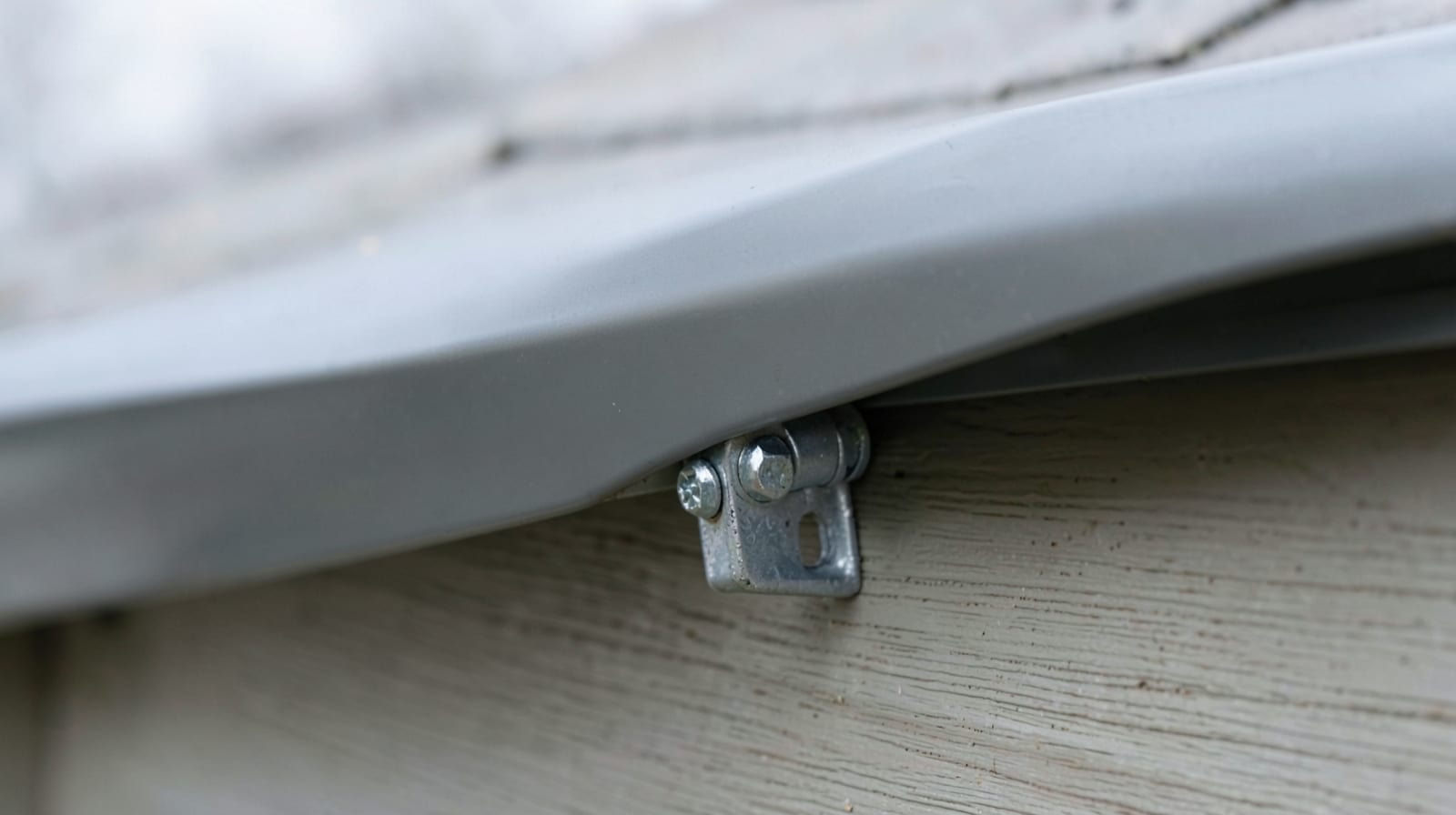
Gutter Repair in Asheville, NC
Gutter repair in Asheville, NC for sagging sections, loose fasteners, seam leaks, and gutters pulling away from the fascia.
Learn More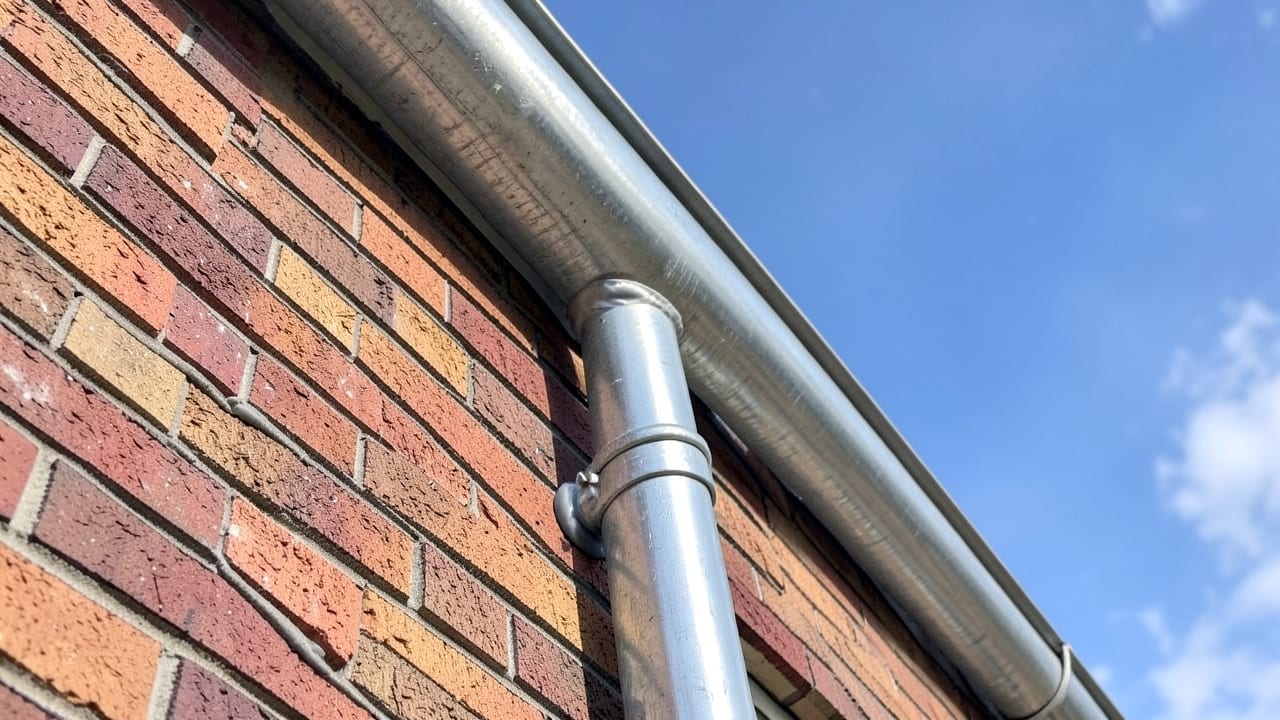
Downspout Cleaning & Repair in Asheville, NC
Downspout cleaning and repair in Asheville, NC clears internal clogs and fixes disconnected or misdirected downspouts that dump water at the foundation.
Learn More
Gutter Resealing & Resloping in Asheville, NC
Gutter resealing and resloping in Asheville, NC fixes leaking seams and standing water caused by a gutter that has lost its pitch toward the downspout.
Learn More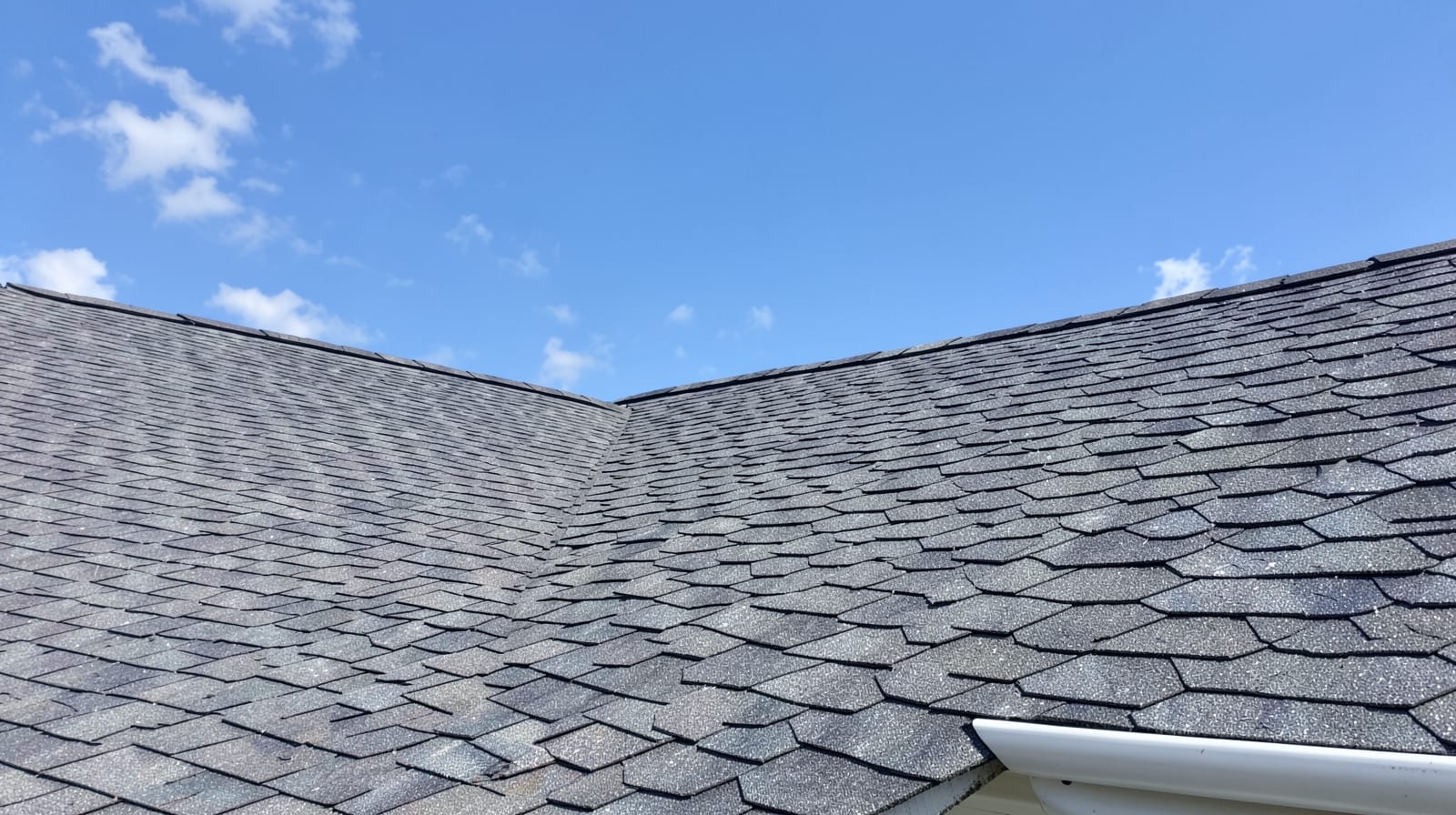
Roof & Gutter Inspection in Asheville, NC
Roof and gutter inspection in Asheville, NC checks drainage, fastener condition, and roof-edge flashing before small issues become water damage.
Learn More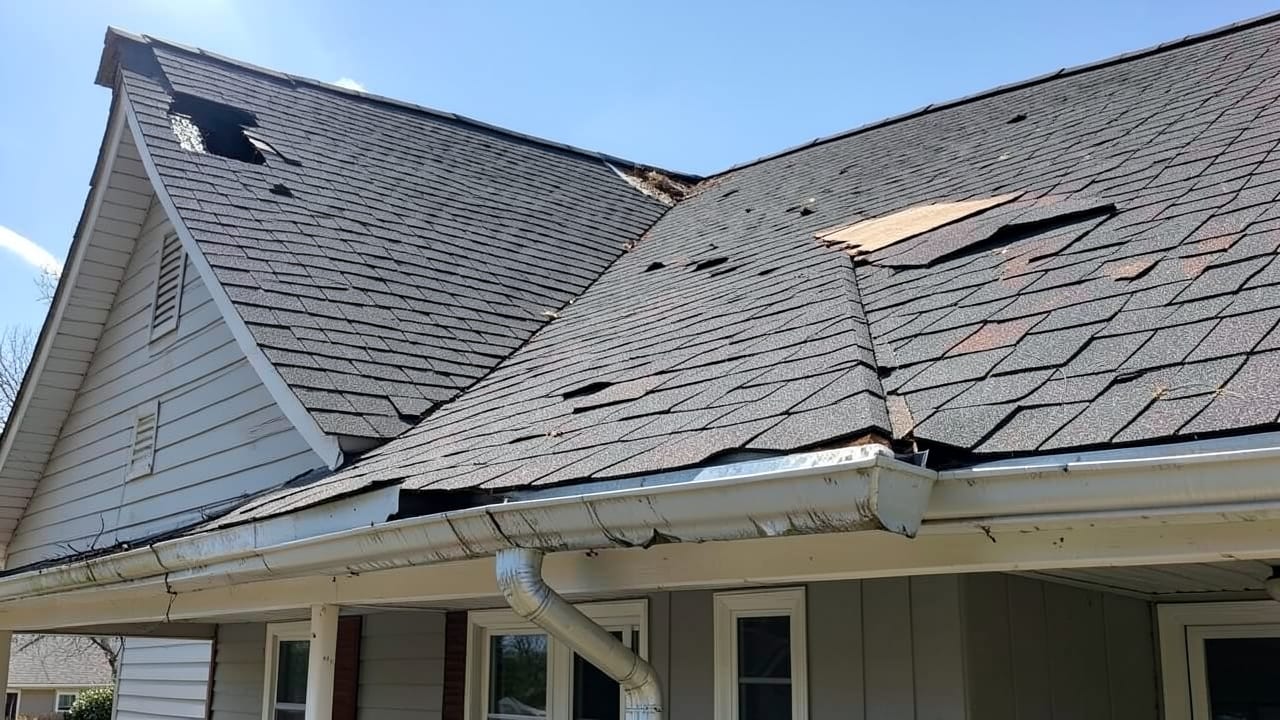
Storm Damage Gutter Cleanup in Asheville, NC
Storm damage gutter cleanup in Asheville, NC clears debris and repairs sections torn loose or bent by wind, hail, or heavy rain.
Learn More
Gutter Replacement in Asheville, NC
Full gutter replacement in Asheville, NC — new seamless aluminum gutters and downspouts when repair is no longer cost-effective.
Learn MoreCommon Questions About Gutter Cleaning in Asheville
Everything you need to know about gutter cleaning services in Asheville
How much does Tile Roof Gutter Debris Removal typically cost in Asheville, NC?
What local factors affect how often gutters need attention around Asheville, NC?
Do gutter guards eliminate the need for cleaning?
What are the signs that gutters actually need attention?
What actually happens if gutter cleaning gets skipped for a season?
Is cleaning gutters a reasonable DIY project?
Need Gutter Cleaning in Asheville?
Get a written quote from our Asheville crew.
⏰ We answer your call • Serving all of Asheville and surrounding areas